
Ethics & Technology

Technology choices should reflect your values.

The platforms you choose dictate your brand's digital footprint. Here is why we exclusively engineer our e-commerce ecosystems on Shopify and Framer.


Shopify

x

Framer
selective focus photography of people sits in front of table inside room

Why Platform Decisions Matter

The platform your website runs on is more than just infrastructure. It determines:

01

Digital Sustainability

Heavy, bloated websites require massive server energy. By writing clean, lightweight code, we drastically reduce the carbon footprint of every single page load.

02

Data Security & Trust

You are legally and ethically responsible for your customers' data. We only architect on platforms with enterprise-grade security and strict GDPR compliance.

03

Long-Term Viability

Constant replatforming wastes time, money, and resources. We build robust, scalable architectures designed to last, eliminating the cycle of disposable web design.

04

Universal Accessibility

The modern web must be inclusive. We design and code interfaces that adhere to strict WCAG accessibility standards, ensuring a frictionless shopping experience for all users.

05

Transparent Ecosystems

We partner exclusively with technology providers who are radically transparent about their data handling, privacy policies, and corporate environmental impact.

06

Performance as a Standard

Slow, inefficient websites waste user time and drain device batteries. We view highly optimized, lightning-fast performance as a baseline ethical requirement, not a premium upgrade.

An independent commerce platform from Canada

Shopify: A Commerce Platform Built for Entrepreneurs

Why do you need it?

Shopify was founded in Canada and has grown into one of the most trusted ecommerce platforms globally. We partner with Shopify because of their unwavering commitment to global sustainability, robust data security, and carbon-neutral operations.

With a deep focus on Shopify and Shopify Plus, GINI partners with ambitious DTC and B2B companies across Europe to design, develop, and scale custom eCommerce experiences that deliver measurable results.

A privacy-aware design platform from the Netherlands

Merchant-first philosophy

Shopify’s platform is built around empowering entrepreneurs rather than locking them into restrictive ecosystems. This includes: Transparent pricing models Extensive integrations Ownership of your store and customer data A massive developer and app ecosystem For businesses that want to grow, this creates far more long-term flexibility than typical website builders.
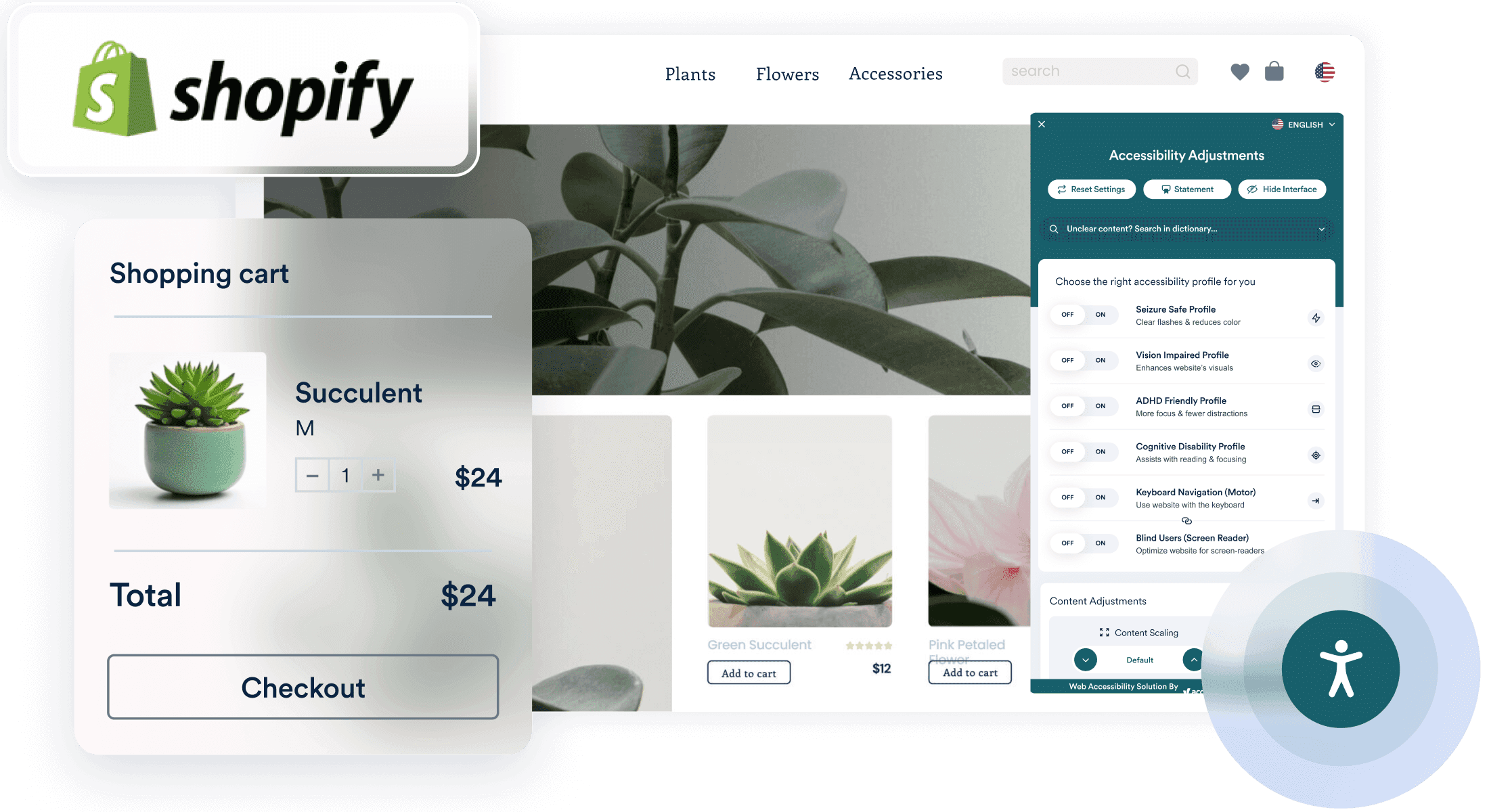
Uncompromising data protection.

Why do you need it?

Processing transactions requires absolute trust. Shopify is Level 1 PCI DSS compliant and operates with strict adherence to global privacy laws like GDPR and CCPA. When we architect your store on Shopify Plus, your customers' sensitive financial and personal data is protected by ethically managed, enterprise-grade security protocols that never sleep.
selective focus photography of people sits in front of table inside room

A privacy-aware design platform from the Netherlands

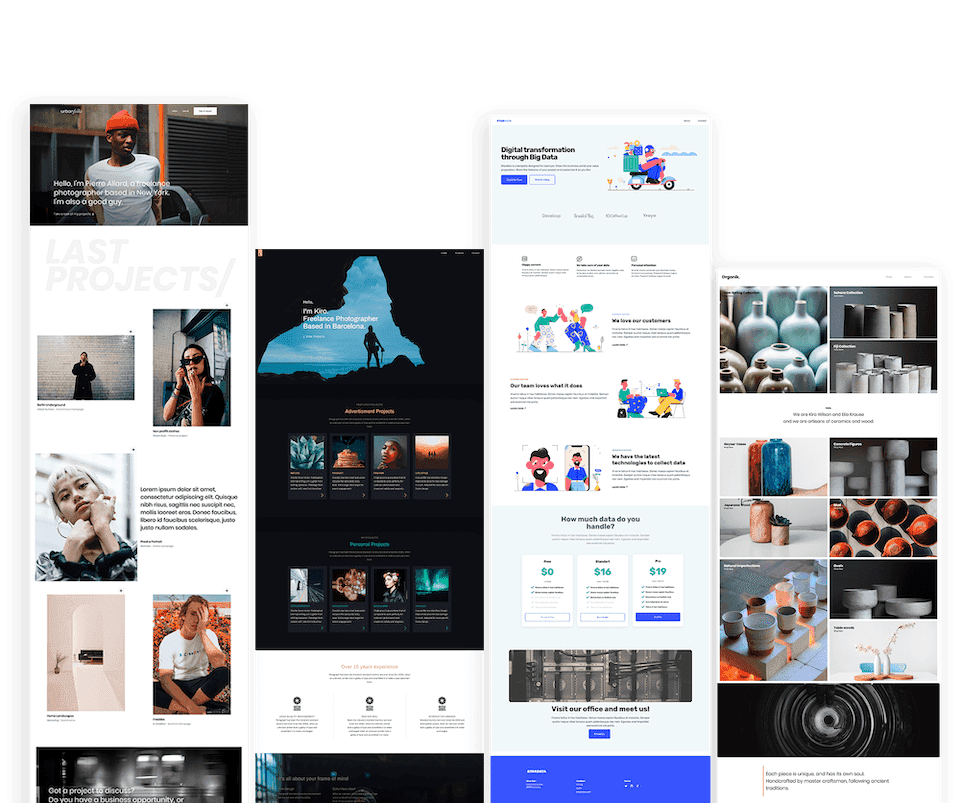
Framer: A European Platform Built for the Modern Web

Framer is developed by Framer B.V., based in Amsterdam, Netherlands, making it a European platform operating within the strict privacy framework of the EU.

A privacy-aware design platform from the Netherlands

Privacy-first infrastructure

This matters more than many businesses realize. European data regulations like GDPR set some of the highest standards in the world for user privacy and data protection. Platforms built within this ecosystem tend to prioritize transparency and responsible data handling from the start. Framer reflects this philosophy.
selective focus photography of people sits in front of table inside room

Built for designers and developers

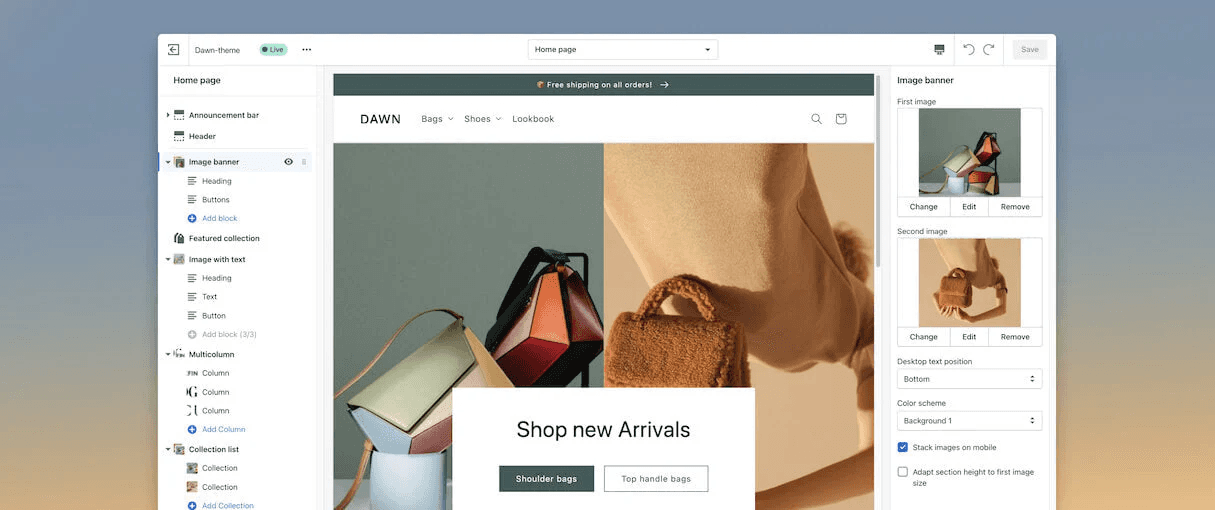
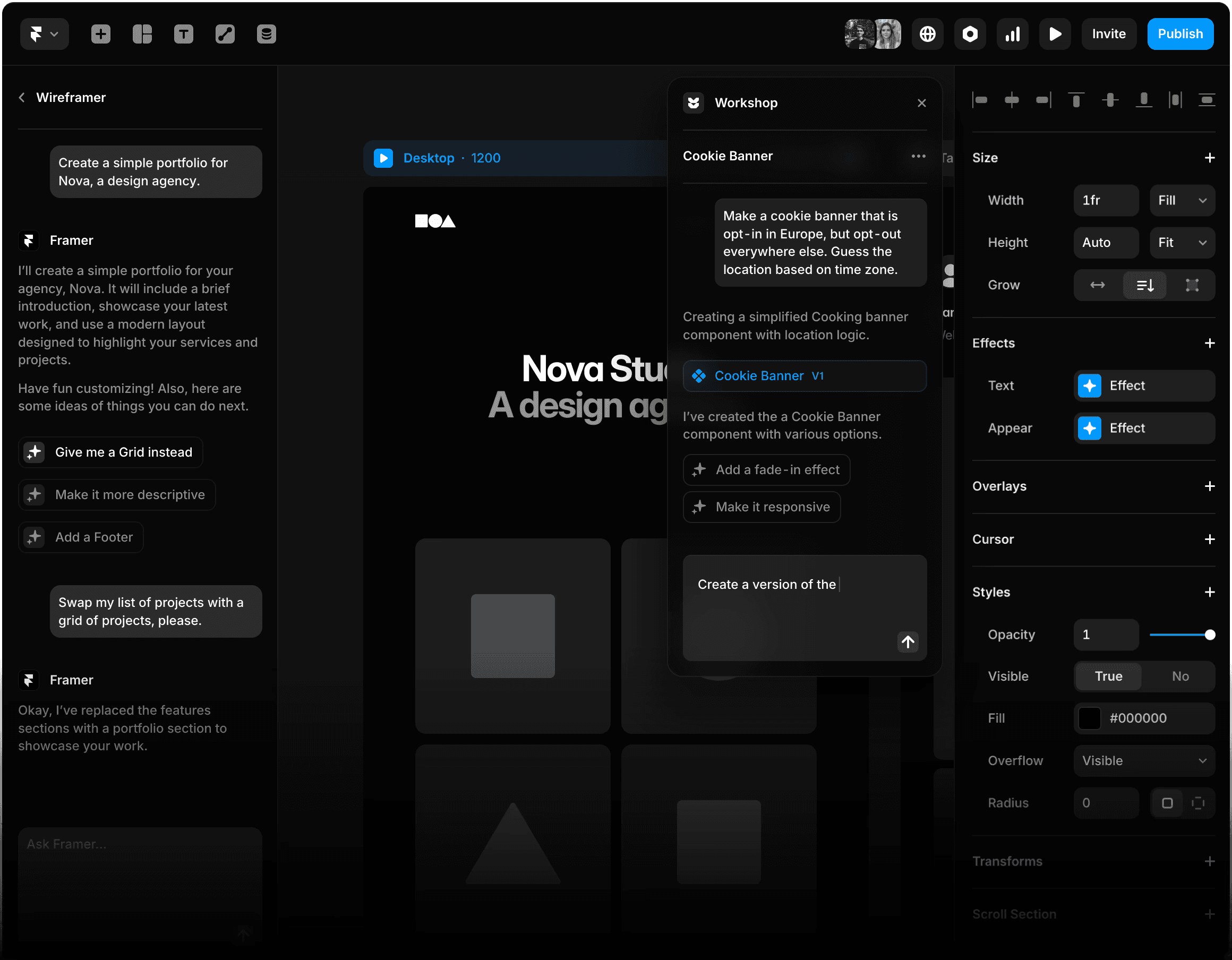
Framer bridges the gap between design and development. Instead of rigid templates or heavy code requirements, it allows designers to build real websites visually — with the flexibility developers expect. For modern brands that care about design quality, this makes a significant difference.

Comparison
Feature
Framer
Webflow
Wix
Squarespace
Design flexibility
Fully custom visual design
High but technical
Template based
Template based
Performance
Excellent modern frontend
Good
Moderate
Moderate
Ecommerce
Best with Shopify
Limited
Basic
Basic
Customization
Very high
High
Low
Low
Scalability
High with Shopify
Medium
Limited
Limited
Best suited for
Modern brand websites
Designer / developer builds
Small business sites
Portfolio & brochure sites
Feature
Framer
Webflow
Wix
Squarespace
Design flexibility
Fully custom visual design
High but technical
Template based
Template based
Performance
Excellent modern frontend
Good
Moderate
Moderate
Ecommerce
Best with Shopify
Limited
Basic
Basic
Customization
Very high
High
Low
Low
Scalability
High with Shopify
Medium
Limited
Limited
Best suited for
Modern brand websites
Designer / developer builds
Small business sites
Portfolio & brochure sites
selective focus photography of people sits in front of table inside room

A responsible design ecosystem.

Why do you need it?

By decoupling the front-end design from the heavy back-end database, Framer allows us to build lightweight digital experiences. This hybrid architecture ensures your site remains incredibly fast, universally accessible, and environmentally responsible, no matter how much global traffic you receive.

With a deep focus on Shopify and Shopify Plus, GINI partners with ambitious DTC and B2B companies across Europe to design, develop, and scale custom eCommerce experiences that deliver measurable results.

Why We Don’t Rely on Traditional Website Builders

Platforms like Wix, Squarespace, and similar site builders have made it easier than ever to create simple websites. But they come with limitations that become increasingly visible as businesses grow.

01

Template-first ecosystems

Most traditional builders are built around templates rather than flexible design systems. This often leads to: Websites that look similar Limited design freedom Difficulty creating unique brand experiences

01

Template-first ecosystems

Most traditional builders are built around templates rather than flexible design systems. This often leads to: Websites that look similar Limited design freedom Difficulty creating unique brand experiences

02

Closed ecosystems

Many builders operate as closed environments where customization is restricted and data portability is limited. Businesses can become heavily dependent on the platform — making future migrations difficult.

02

Closed ecosystems

Many builders operate as closed environments where customization is restricted and data portability is limited. Businesses can become heavily dependent on the platform — making future migrations difficult.

03

Performance and scalability limitations

Template-based platforms can struggle with: Performance optimization complex integrations custom functionality large-scale ecommerce operations For small personal sites this may not matter. For growing brands, it often does.

03

Performance and scalability limitations

Template-based platforms can struggle with: Performance optimization complex integrations custom functionality large-scale ecommerce operations For small personal sites this may not matter. For growing brands, it often does.